Working with the food sector
Food2Grow is about one of the most fundamental needs: nutrition. Companies that work every day on producing, supplying and distributing food have knowledge, resources and networks that can contribute to practical initiatives.
For supermarkets, producers, wholesalers, suppliers, distributors, food companies and logistics organisations.
What we mean by the food sector
By "the food sector" we mean it broadly: supermarkets, producers, wholesalers, suppliers, distributors, food companies, logistics organisations and other businesses involved in producing and distributing food.
These organisations work every day with exactly what Food2Grow is about. That makes a partnership a natural fit in substance: not only as financial support, but also as knowledge, capacity or a network that is valuable elsewhere.
Food2Grow focuses on nutrition as a foundation for growth and development. Nepal is currently the first active initiative, where daily meals for children are central, organised together with local people.
- Financial: sponsorship, a campaign or matching of staff fundraising.
- Expertise: purchasing, shelf life, food safety or logistics.
- Practical: materials, capacity or access to a network.

Why a partnership can be worthwhile
Food companies often have exactly the knowledge and resources that a small initiative cannot build itself. That is the heart of this partnership.
A natural connection
Nutrition is the organisation's field of work and Food2Grow's starting point. A partnership therefore fits what is already happening.
Knowledge that travels further
Experience with purchasing, planning, shelf life or food safety can help a small initiative work more carefully.
Staff involvement
A concrete cause around nutrition is recognisable for staff and leaves room for their own campaign or team initiative.
A concrete initiative
Food2Grow works with specific initiatives rather than general aims. That makes it clear what support is for.
Network and supply chain partners
An introduction to supply chain partners, or a joint campaign with suppliers, can deliver more than a contribution alone.
Visible accountability
Food2Grow wants to show transparently what support contributes to, so there is something concrete to report internally.
Possible forms of partnership
The forms below are examples to talk about. What actually fits depends on the organisation and on what an initiative needs at that moment.
Financial sponsorship
A one-off or regular contribution to carrying out an initiative. Scale and duration are for the organisation to decide.
A campaign or product promotion
A temporary campaign or a contribution per product sold. Form, communication and period are agreed in advance.
Staff campaigns and matching
Staff set up a campaign and the company matches the proceeds, or contributes a share.
Expertise and advice
Thinking through purchasing, planning, shelf life, food safety, or setting up a way of working that can be sustained.
Logistics support
Transport, storage or distribution — provided it is practically useful and responsible. We always agree this in advance.
Materials and resources
Materials, equipment or other resources that help an initiative in a practical way. Here too: agree first, then arrange.
Food2Grow does not comment on the tax or legal consequences of an arrangement. For administrative and tax handling, your own adviser is the right contact.
Examples of campaigns
These examples are meant as inspiration and do not describe existing partnerships. What an organisation actually does, we agree together.
Campaign and visibility
- A temporary campaign around a product or range
- A collection at sites or among customers
- A joint campaign with supply chain partners or suppliers
- Attention for the initiative in internal or external communication
Staff and organisation
- A sporting or creative activity by teams
- Matching of the proceeds by the employer
- A contribution from an existing charity budget
- A campaign around an anniversary or company event
Knowledge and delivery
- Thinking through purchasing and planning for an initiative
- Advice on shelf life, hygiene or food safety
- Help setting up a simple, repeatable way of working
- Materials or resources that improve delivery in a practical way
Does the organisation already have a community programme or a fixed moment in the year? That is often the easiest starting point.
Support does not automatically mean shipping products
An understandable first thought for a food company is: we have products, we can send them. In practice that is not always the best route. Whether physical products are useful depends on the location, transport, food safety, costs, local availability and the actual need on the ground.
When local purchasing or local delivery is more logical and more sustainable, financial, logistical or in-kind expertise can have more value than a shipment of goods. Buying locally keeps money in the region, fits the food culture and makes an initiative less dependent on transport from abroad.
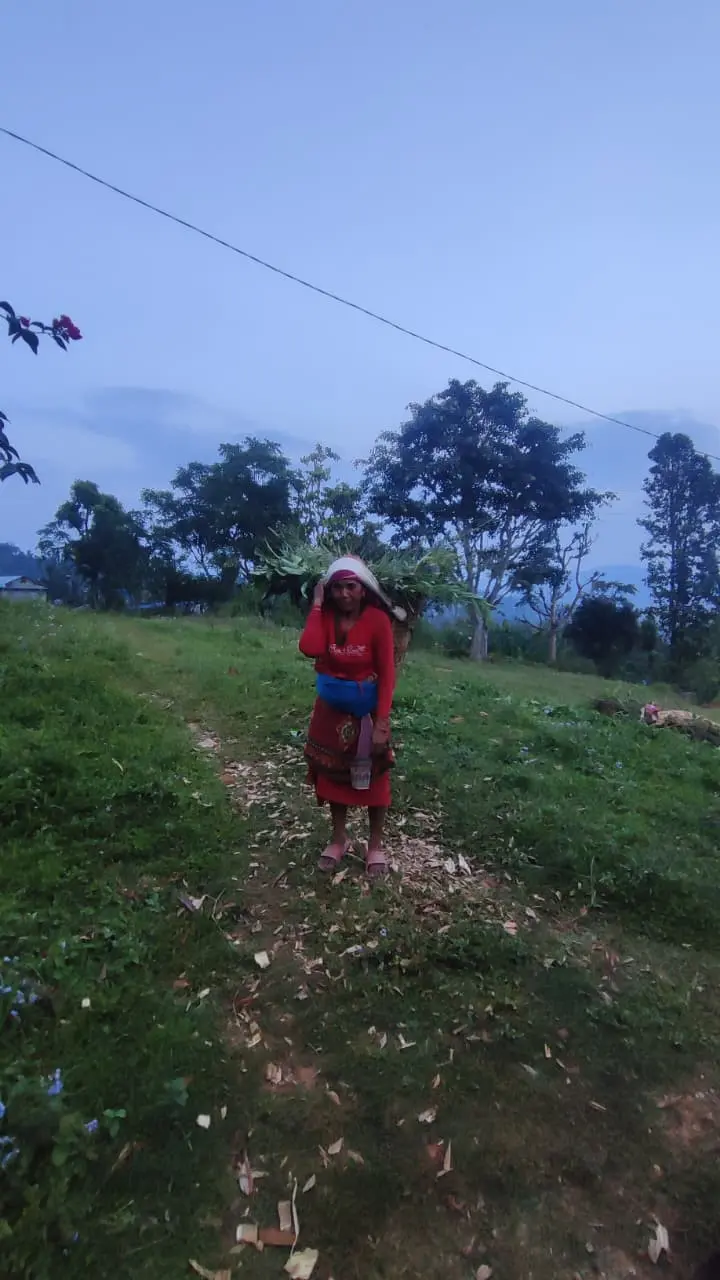
That fits the way Food2Grow works: solutions are organised and owned locally wherever possible. Within the Nepal initiative, for example, purchasing is done as much as possible from farmers and markets in the region.
Practical donations are therefore always agreed in advance. That way we avoid using resources that are not useful or not needed on the ground.
How a partnership works
From a first, no-obligation conversation to feedback on progress.
-
Introduction
A short conversation: we explain what Food2Grow does, you explain what the organisation can and wants to contribute. No obligation.
-
Matching need and possibilities
We look at what an initiative needs and what the organisation can offer. For practical resources or logistics, we first check whether it is useful and responsible on the ground.
-
Agreeing and carrying out
We briefly record what has been agreed: form, period and communication. Then the partnership is carried out.
-
Sharing feedback and progress
Food2Grow reports back on what the contribution supports. Progress of the initiatives can be followed through updates on the website.
What Food2Grow can offer
Food2Grow is a small, volunteer-run foundation. That means no large marketing operation, but short lines, care and personal involvement.
A conversation about the work
An open conversation about what an initiative needs and where the organisation can make a difference — without a sales pitch.
Careful alignment
Practical donations are checked in advance for usefulness, safety and local need, so that resources are not wasted.
Feedback and updates
After a partnership, the organisation hears what the contribution supports. Updates about the initiatives are on the website.
A named contact
One contact person from the foundation, so that questions can be answered quickly and directly.
What a contribution supports
An organisation that contributes wants to be able to account internally and to customers for where support goes. Below is what Food2Grow stands for, and where that information can be found.
ANBI status
Stichting Food2Grow has ANBI status: Algemeen Nut Beogende Instelling (public benefit organisation). The core details about purpose, board and accountability are on the ANBI page.
See the ANBI informationTransparency and use of funds
Contributions are used to carry out initiatives. The Transparency & use of funds page explains how Food2Grow approaches this.
Transparency & use of fundsRun by volunteers
The foundation is run by volunteers. Board members receive no payment for their work for Food2Grow.
More about the foundationUpdates on progress
Through updates and stories, Food2Grow shows how initiatives are developing. That way it remains clear what support contributes to.
See the updatesNepal as the first initiative
Nepal is Food2Grow's first active initiative. Daily meals for children are central there, organised together with local people.
Read about NepalLocal delivery
Food2Grow organises support locally wherever possible, so that solutions fit the context and are owned by the community itself.
See where we workFrequently asked questions from companies
Can we donate products?
That depends on the situation. Whether physical products are useful is determined by the location, transport, food safety, costs, local availability and the need on the ground.
Practical donations are therefore always agreed in advance. Sometimes a financial or logistical contribution is more valuable, because local purchasing can then continue.
Does Food2Grow send Dutch products to Nepal?
Not as standard. Food2Grow organises support locally wherever possible. Within the Nepal initiative, purchasing is done as much as possible from farmers and markets in the region, because that fits the food culture better and is more sustainable.
Do we have to commit for a fixed period?
No. There is no required term and no exclusivity. A one-off campaign or a short campaign is welcome too.
What about tax and deductibility?
Food2Grow does not comment on this and does not give tax or legal advice. Stichting Food2Grow has ANBI status; what that means in your situation can be assessed by your own adviser.
Can we use the initiative in our communications?
We agree in advance how the name, logo and images may be used. That way communication stays accurate and nothing more is suggested than has been agreed.
Where does a contribution go?
Contributions are used to carry out Food2Grow's initiatives. Nepal is the first active initiative, where daily meals for children are central.
Let's talk
Do you have an idea for a campaign, or would you first like to discuss what is possible? Get in touch. We are happy to explore a format that fits your organisation and Food2Grow's initiatives.
The contact form is pre-selected to "Working together". Prefer to call or email? The details are on the contact page.